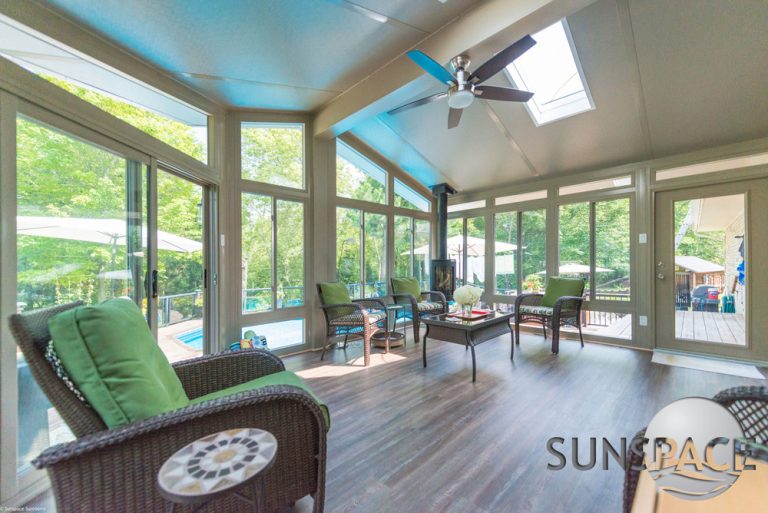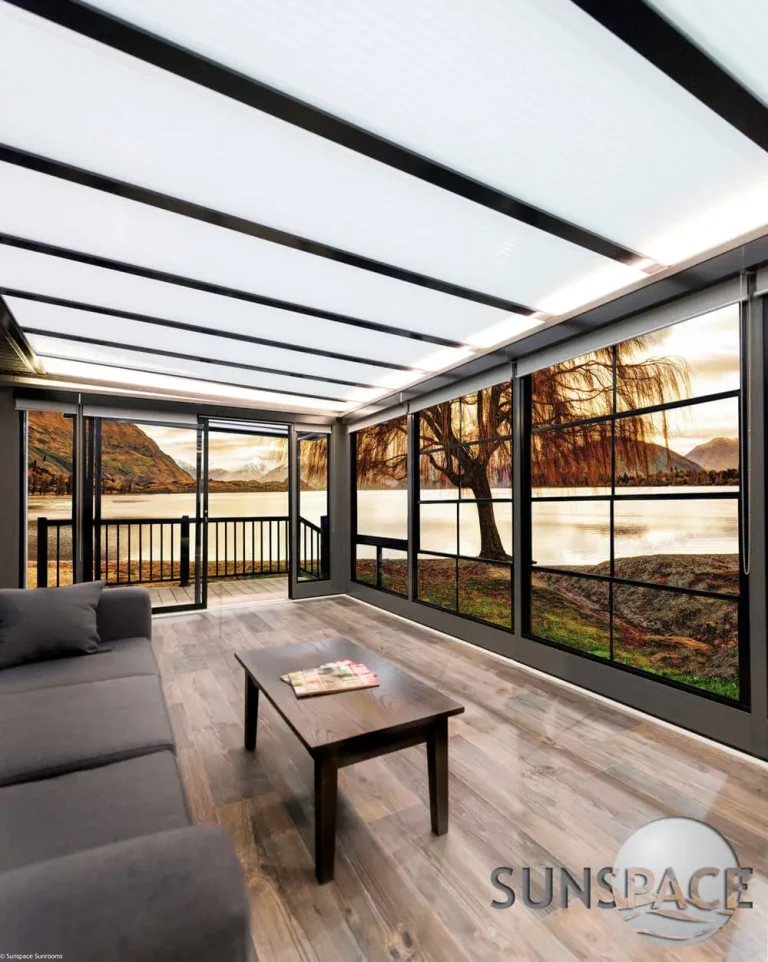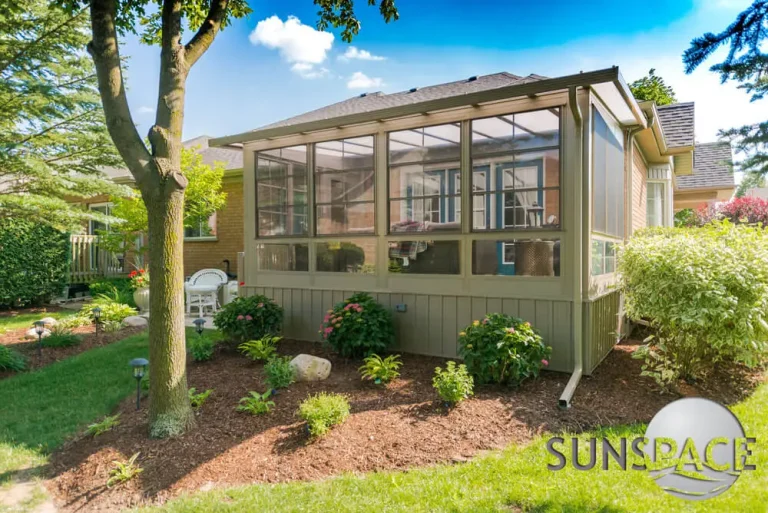
If you live in Portland, you want more daylight and more usable space, but you don’t want a full-scale renovation that takes over your house. And because Maine weather can turn fast, a comfortable space that still feels connected to the outdoors can be hard to find.
This post covers the main benefits of a sunroom, plus what matters most in Greater Portland for comfort, moisture control, and year-round usability.
As a Sunroom Builder in Portland, ME, we hear the same goal again and again: homeowners want a bright room they’ll actually use, not a space that looks nice but sits empty.
The Biggest Benefits (Quick List)
A sunroom is a practical way to add a light-filled space without building a whole new wing. Most homeowners feel the payoff in daily life, then later at resale.
Common benefits include:
- More natural light in one dedicated space.
- Extra room for dining, relaxing, hobbies, or hosting.
- A sheltered “in between” area that extends outdoor living into spring and fall.
- A better spot for plants and seed starting.
- Added buyer appeal, even though ROI varies by market and room type.
The U.S. Department of Energy notes that sunspaces can provide auxiliary heat, space for growing plants, and pleasant living areas, which aligns with how many households use them.
More Natural Light Without Remodelling Everything
Natural light is the headline feature. Instead of trying to brighten multiple rooms with window changes, a sunroom concentrates daylight into one big, usable area.
As a result:
- Your home can feel more open because sightlines stretch outward.
- You may rely less on daytime lighting in that part of the house.
- The space often becomes the go-to room for mornings, reading, and low-key downtime.
Extra Living Space You’ll Use Daily
A good sunroom works because it’s flexible. It can handle everyday life without needing to be “kept perfect.”
Popular uses in Portland-area homes include:
- A casual dining area that doesn’t crowd the kitchen.
- A work-from-home spot with a better view than a blank wall.
- A kid-friendly zone that keeps clutter out of the main living room.
- A hosting space for small get-togethers, especially in shoulder seasons.
A Practical Fit For Maine Weather
Portland’s coastal conditions, moisture, and long heating season make outdoor time feel limited for part of the year. That’s why sunrooms often get used heavily in spring and fall, when a deck might be windy or chilly.
Because the space is enclosed, you also protect furniture from light rain, bugs, and damp air, so you don’t have to move cushions and rugs in and out constantly.
Home Value And ROI (A Realistic View)
A sunroom can help resale by improving livability and curb appeal, but the return isn’t guaranteed. So it’s smart to treat value as a bonus, not the only reason to build.
One widely cited benchmark from Remodelling magazine’s 2015 Cost vs. Value coverage put sunroom additions among the lowest returns at about 48.5% nationally. That doesn’t mean a sunroom is a bad choice; it just means lifestyle value is often the primary win.
If ROI matters a lot for your plan, match the room type and finishes to your neighborhood and how buyers expect the space to function.
Energy And Comfort Benefits (If You Build It Right)
In Portland, a sunroom can feel cozy or like a cold box. Comfort usually comes down to the building envelope, glass performance, and air sealing, especially when winter winds show weaknesses fast.
You’re basically managing three things:
- Heat loss through glass and framing.
- Drafts from imperfect transitions.
- Condensation from indoor humidity meets cold surfaces.
Here’s a quick planning table to keep those priorities straight:
| Goal | What It Means In Portland | What Helps Most |
| Comfortable temperatures | Cold snaps expose weak insulation and drafts | Strong air sealing and insulated assemblies |
| Lower condensation | Coastal moisture plus winter indoor humidity can fog glass | Better-performing glazing and tight transitions |
| Less exterior wear | Salt air and storms can age components faster | Durable materials and solid water management |
| Code-ready design | Some rooms are treated more like true additions | Plan early for energy and structural requirements |
If you’re weighing glazing choices, Energy Efficient Glass for Sunrooms is worth planning around early, since glass has an outsized impact on comfort.
Three-Season vs Four-Season Sunrooms In Portland
This is the decision that shapes everything else, including cost, comfort, and how often you’ll use the room. Big temperature swings in Maine make the choice more important than it is in milder climates.
A simple filter helps:
- Choose a three-season sunroom if you want spring through fall comfort and you’re OK with limited winter use.
- Choose a four-season sunroom if you want daily use in winter and you want it to feel like a genuine part of the home.
If you want a clear breakdown before you price anything, Three-Season vs Four-Season Sunrooms is a helpful way to compare what you’re really getting.
Common Portland Concerns (And How To Plan Around Them)
Even a well-built sunroom can be annoying if local conditions are ignored. So it helps to plan for the problems that most often occur around the coast.
Key issues to think through:
- Condensation risk: Manage indoor humidity, prioritize tight detailing, and avoid drafty transitions.
- Wind exposure: Corner lots and open yards can magnify comfort problems if air sealing is sloppy.
- Coastal wear: Salt, moisture, and winter storms put materials to the test, so durability matters.
Before you finalize the design, consider the orientation, roof runoff, and the room’s protection from prevailing winds.
Planning Basics (Permits, Footings, And Historic Areas)
Permits can slow projects down when they’re an afterthought. Still, when they’re built into the plan from day one, they’re usually manageable.
Portland follows the Maine Uniform Building and Energy Code, and four-season sunrooms may need to meet energy and structural requirements similar to other additions. Also, if your home is in a historic district, exterior changes may require additional review.
If you’re enclosing an existing deck or patio, confirm the structure and foundations can support an enclosed room, since loads and moisture behavior change once you build walls and a roof.
FAQ
Do sunrooms work in winter in Portland, ME?
Yes, but true winter comfort usually points to a four-season build with better insulation, tighter construction, and higher-performing glass.
Do I need a permit for a sunroom in Portland?
Often, yes, because a sunroom can be treated as an addition and may need to meet MUBEC requirements.
Will a sunroom raise my heating bill?
It can if the room is drafty or lightly built. However, good air sealing and better-performing assemblies can improve comfort and help control energy use.
Does a sunroom add value to a home?
It can improve buyer appeal, but ROI varies. A commonly cited national reference from Remodeling’s 2015 Cost vs. Value coverage estimated about a 48.5% return for sunroom additions.
How do I reduce condensation on sunroom windows?
Start with tight construction details and good transitions, then manage indoor humidity so warm, moist air isn’t condensing on cold surfaces.
Ready To Plan Your Sunroom?
If you share how you want to use the space, whether winter comfort matters, and what your deck or patio looks like today, we can help you narrow down the correct room type and layout. Reach out to Sunspace By Sunrise Sunrooms to talk through options and get practical next steps for your Portland, ME home.