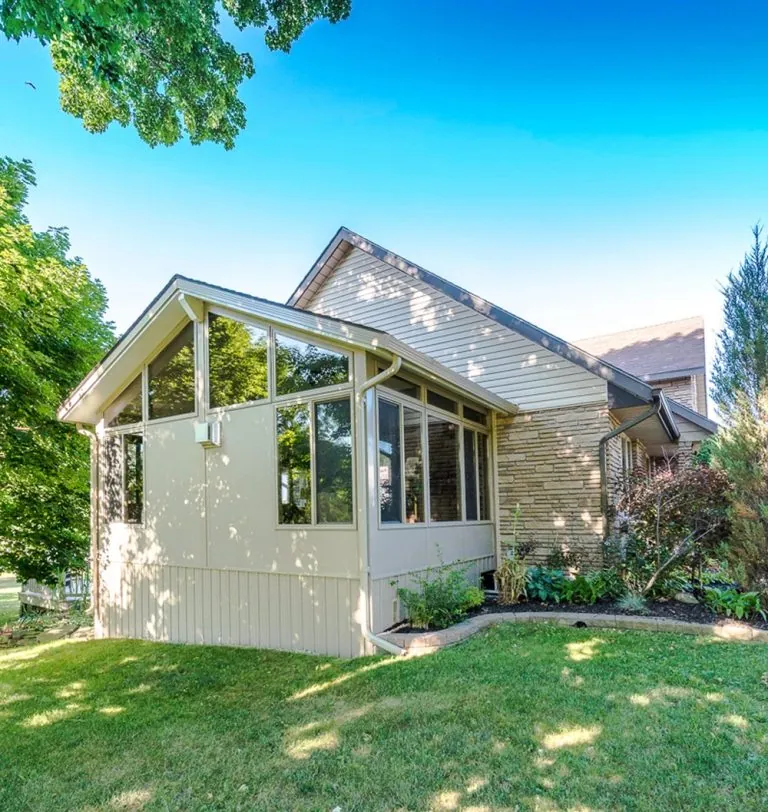
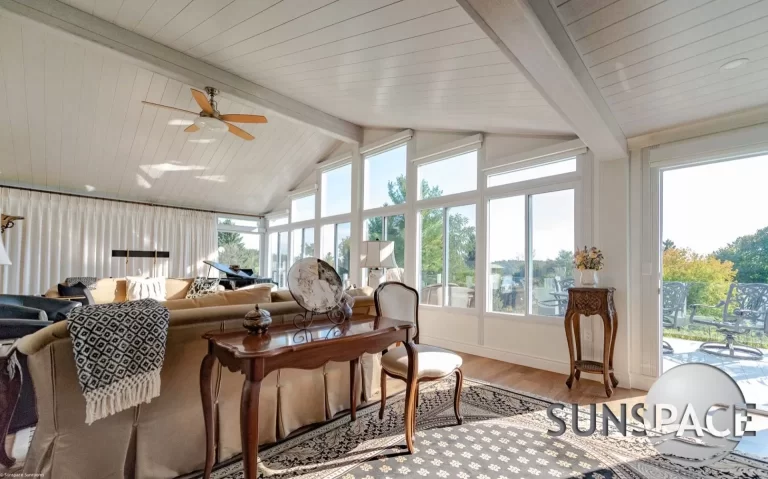
If your sunroom feels comfortable on mild days but swings hot and cold the rest of the year, the glass is usually the reason. The right windows can make the room steadier, quieter, and less expensive to heat, while still keeping the view.
Portland homes face long heating seasons, coastal wind, and strong sun reflecting off water and snow. So, sunroom windows have to work harder here than they would in warmer climates. Maine energy code summaries also reflect a cold climate baseline and list Maine as Climate Zone 6.
If you want a quick gut check before ordering, Sunspace by Sunrise Sunrooms can review your room goals, orientation, and a few photos. It can also help to compare specs with a local sunroom construction contractor in Portland so the window quotes line up and make sense.
Why Sunroom Glass Matters More in Portland
Sunrooms usually have more glass than other rooms. Because of that, comfort problems show up faster, especially on sunny winter afternoons and windy nights.
Code targets can also shape what’s realistic for a four-season build. Maine’s residential energy code summary lists a prescriptive fenestration target of U 0.30 for Climate Zone 6, which can be a useful planning reference.
There’s no single perfect window for every sunroom. Still, performance numbers matter, and guessing can get expensive.
The Three Ratings to Know Before You Compare Quotes
Window marketing can get noisy fast. So, focus on the label values that let you compare products with less confusion.
U Factor (Heat Loss)
U factor measures the rate of non-solar heat flow through a window, door, or skylight. Lower U-factor values mean less heat transfer.
In Portland, U-factor is closely tied to winter comfort. It also affects interior glass temperature, which is linked to condensation.
SHGC (Solar Heat Gain)
SHGC is the fraction of solar radiation admitted through a window, door, or skylight. Lower SHGC values reduce solar heat gain.
That helps control overheating on sunny exposures. However, very low SHGC can also reduce helpful winter sun, so balance matters.
NFRC Labels (Where the Numbers Come From)
NFRC provides a standard rating system for windows, doors, and skylights. So, U-factor and SHGC values shown on an NFRC label are usually the cleanest way to compare quotes.
If a quote doesn’t list U factor and SHGC, ask for the NFRC label values. It’s the quickest way to avoid vague comparisons.
Pick the Comfort Goal First
Choices get easier when the goal is clear. Otherwise, every upgrade sounds important, and the budget can drift.
Most Portland sunroom projects focus on one primary goal:
- Year-round comfort: Reduce winter heat loss and drafts.
- Overheating control: Cut glare and solar spikes on sunny days.
- Condensation control: Keep the glass warmer and manage indoor humidity.
- Noise reduction: Reduce wind and street sound.
Once the main goal is set, the glass package is easier to narrow down.
Double Pane vs Triple Pane for Maine
Double-pane insulated glass can work well for many three-season rooms. It can also work for some four-season rooms if air sealing and heating are handled well.
Triple pane is often chosen when winter comfort is the top priority. It can reduce heat loss and raise interior glass temperature, which usually feels better near windows.
Still, triple pane won’t fix a leaky frame or a drafty install. So, don’t skip air sealing and quality installation details.
A simple rule of thumb:
- Choose double pane for spring through fall use, or when the budget is tight, and shading is planned.
- Consider triple pane for true four-season use, especially if seating is close to the glass.
Low E Coatings, Gas Fills, and Spacers
This part of the quote can feel like alphabet soup. Keep it practical.
In general:
- Low-E coatings help control heat transfer.
- Gas fills like argon can improve insulating performance.
- Spacer design can affect edge temperature and long-term durability.
Instead of debating each piece, ask one question:
- What is the U factor and SHGC of this exact window package?
Frames and Air Leakage Matter Too
Glass gets most of the attention. However, frames and installation decide whether the window stays tight over time.
In coastal Maine, durability matters as well. Wind-driven rain and salty air can punish cheaper hardware and poor drainage paths.
Common frame options include:
- Vinyl for value and low maintenance.
- Fiberglass for stiffness and thermal stability.
- Aluminum with proper thermal breaks for certain designs.
Also, ask how air leakage is controlled at the rough opening. Even strong glass underperforms if the opening is leaky.
Quick Glass Selection Table
Use this as a starting point. Then confirm with NFRC label values and the room’s orientation.
| Portland situation | What to prioritize | What to ask for |
| The room feels cold near the windows | Lower U factor | NFRC U factor for the quoted unit. |
| The room overheats on sunny days | Lower SHGC plus shades | NFRC SHGC plus shading plan. |
| Condensation shows on cold mornings | Warmer glass plus humidity control | U factor plus ventilation plan. |
| Big glass wall faces water or snow glare | Glare control | SHGC plus interior shade options. |
Installation Details That Protect Performance
A great window can still disappoint if the install is sloppy. Plan for the details that don’t show up in a brochure.
Confirm these basics:
- Continuous air sealing around frames.
- Proper flashing and water control.
- Shimming and fastening that keep units square.
- Interior trim details that avoid cold pockets.
If the sunroom is being upgraded from a screened space, check the structure too. Window weight and wind exposure can change what the walls must handle.
FAQs About Sunroom Windows in Portland
What window specs matter most for energy efficiency?
U-factor and SHGC matter most because they describe heat transfer and solar heat gain. NFRC label values make quotes easier to compare.
Is triple pane always worth it in Maine?
Not always. It often helps with winter comfort, but the gain depends on air sealing, heating plan, and where people sit.
Why do my sunroom windows sweat in winter?
Condensation happens when indoor moisture hits a cold surface. Better U-factor windows can help by keeping interior glass warmer, although humidity control also matters.
What’s a useful code reference point for Maine windows?
Maine’s residential energy code summary lists a prescriptive fenestration target of U 0.30 for Climate Zone 6, which is useful for early planning. For compliance, confirm requirements with your local code office and permit set.
Get a Quick Glass Review
If you want a clear recommendation for your sunroom, reach out to Sunspace by Sunrise Sunrooms for a quick review. Share the room orientation, how you plan to use the space, and any comfort issues, and you’ll get feedback that helps you request truly comparable quotes.